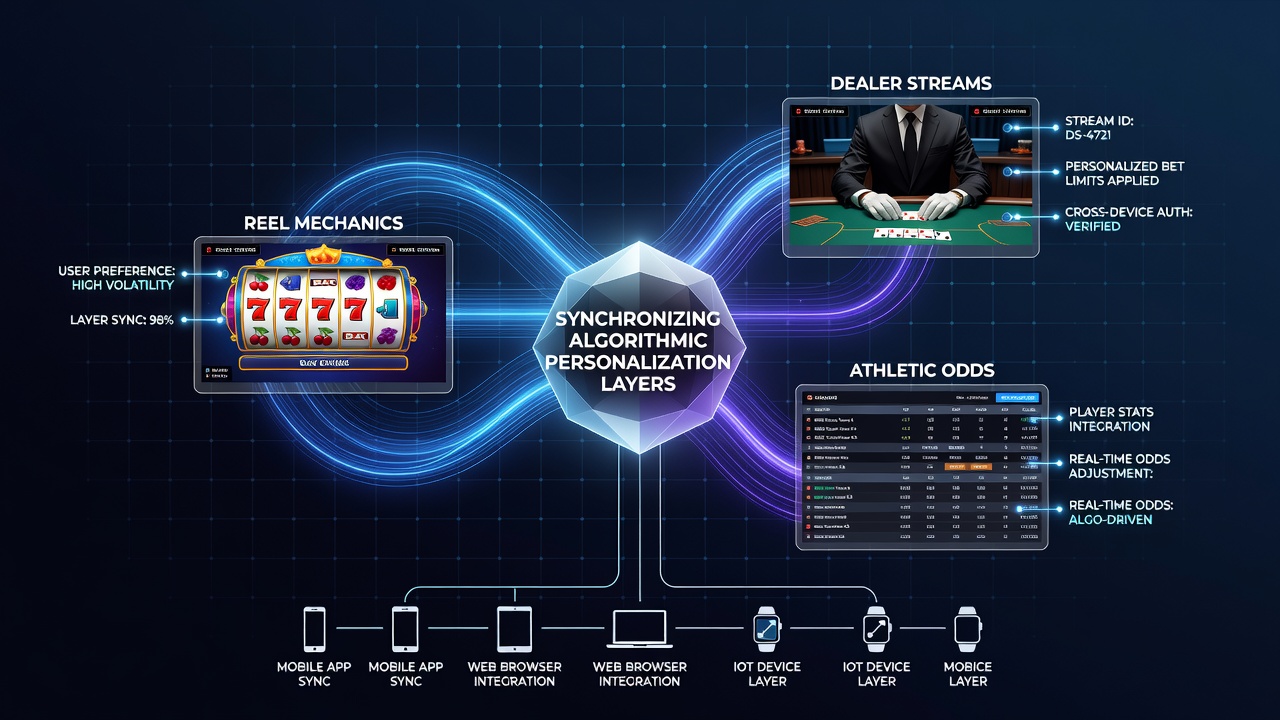
Coordinating Algorithmic Customization Layers for Slot Reels, Live Dealer Feeds, and Sports Wagers Across Multiple Devices
Platforms that operate slots, live dealer tables, and sports betting sections rely on algorithmic layers to adjust content based on user data, and these layers must align across reel mechanics, dealer streams, and athletic odds when players switch between phones, tablets, and desktops. Data from player sessions flows into centralized systems that update preferences in real time, which allows reel spin frequencies, dealer interaction prompts, and odds displays to reflect the same behavioral patterns no matter the device in use.
Mechanics of Reel Personalization and Cross-Format Alignment
Reel mechanics in digital slots adjust symbol weights and bonus trigger rates according to individual play history, while the same data points feed into systems that modify live dealer streams and sports wager options. Developers build application programming interfaces that push updates from one vertical to the others, so a preference for high-volatility reels can influence the pace of card reveals at live tables or the presentation of prop bets in athletic markets. Research from the University of Nevada Reno indicates that synchronized layers reduce session drop-off rates when users move between formats, because the underlying models maintain consistent risk profiles and reward structures.
Dealer Stream Adjustments and Data Flow Integration
Live dealer environments use camera feeds and chat overlays that respond to algorithmic signals derived from prior slot activity or sports betting patterns. When a player switches from mobile reels to a desktop dealer table, the system recalibrates camera angles, bet suggestion timing, and game speed to match recorded engagement metrics. This coordination occurs through cloud-based synchronization services that timestamp every interaction and reconcile differences in device latency, which keeps the dealer stream responsive without requiring separate logins or manual resets.
Athletic Odds Personalization in Multi-Device Contexts
Sports betting sections apply similar layering to athletic odds, where historical data from reel sessions and dealer rounds shapes the visibility of certain markets and the depth of statistical overlays. A user who favors rapid reel spins might see compressed odds refresh cycles and highlighted live events, while the same profile influences how dealer streams present side bets during overlapping sports windows. According to reports from the Canadian Gaming Association, operators that maintain unified personalization engines across these areas report higher retention during August 2026 platform migrations, when many systems updated cross-device protocols to handle increased mobile traffic.
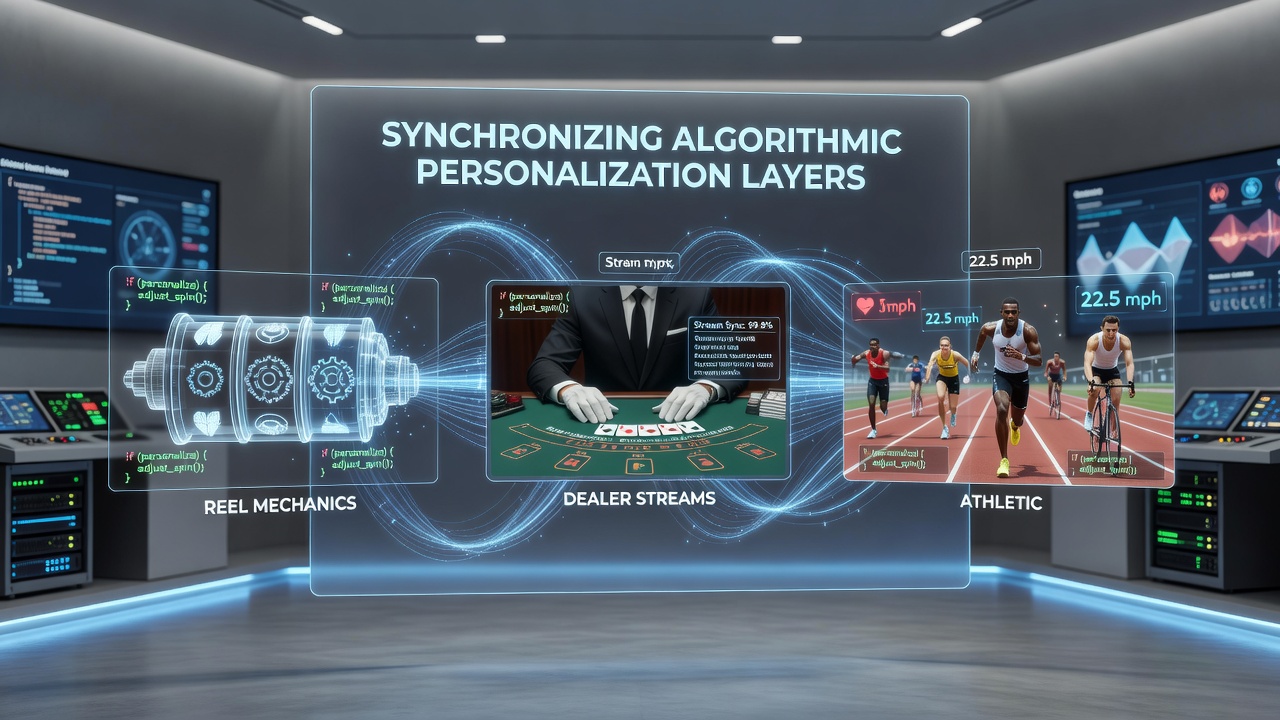
Device detection modules detect screen size, connection speed, and input method, then route the appropriate version of each algorithmic output while preserving the core personalization rules. This approach prevents mismatches that could occur when a high-frequency sports bettor encounters mismatched reel volatility on a tablet versus a phone.
Technical Challenges in Maintaining Layer Consistency
Latency differences between devices create hurdles for real-time updates, yet operators deploy edge computing nodes that cache personalization data locally and reconcile it with central servers during brief connection windows. Studies published by the European Gaming Institute show that these nodes cut synchronization delays by measurable margins, allowing reel adjustments, dealer prompts, and odds shifts to occur within similar timeframes regardless of whether the session starts on a desktop or continues on a mobile connection. Security protocols further encrypt the data streams that carry these updates, which protects user profiles while they travel between formats and platforms.
Implementation Examples from Industry Reports
One documented rollout involved a multi-vertical operator that linked reel spin history directly to live dealer table limits and sports market recommendations. The integration used a shared user graph that updated every few seconds, and metrics collected after deployment showed steadier engagement curves across devices. Observers note that such systems require ongoing calibration to account for seasonal sports schedules and changes in live game availability, yet the underlying synchronization architecture remains stable once the initial data pipelines are established.
Conclusion
Coordinated algorithmic layers now support consistent personalization across slot reels, dealer streams, and athletic odds in environments where players move freely between devices. The technical methods rely on shared data models, low-latency reconciliation, and device-aware delivery, all of which continue to evolve as platforms incorporate new August 2026 infrastructure standards. These developments rest on measurable integration practices documented by academic and industry sources rather than isolated experiments.