Weaving Wins: Bonus Algorithms That Link Sports Wagers with Live Table Dynamics Across Mobile Interfaces
Platforms across mobile gaming ecosystems employ bonus algorithms that connect sports wagers directly to live table dynamics, and these systems operate through real-time data synchronization between betting modules and dealer streams. Developers integrate predictive models that track user activity on sports markets, then trigger table game incentives based on wager volume, odds thresholds, and session duration. Such linkages appear in applications that allow seamless switches from football accumulators to live roulette sessions without separate logins or balance transfers.
Algorithmic Frameworks Behind Cross-Game Promotions
Engineers design these algorithms using machine learning layers that process live feeds from both sportsbooks and casino tables, while they calculate bonus eligibility through variables like stake size, outcome patterns, and device location. Data shows that platforms update these models frequently to reflect changes in sports schedules or table limits, and July 2026 saw several operators introduce enhanced versions that incorporate weather data from outdoor events into table bonus triggers. Observers note that this creates fluid reward pathways where a successful basketball parlay might unlock a multiplier for baccarat side bets within the same app window.
Researchers from the University of Nevada's gaming analytics program have documented how these systems reduce user drop-off rates by maintaining engagement across verticals, and their reports highlight the role of API integrations that pull odds from sports providers into table game interfaces. The algorithms prioritize mobile-specific factors such as touch gestures and screen orientation to deliver prompts at optimal moments during play.
Mobile Interface Adaptations for Linked Dynamics
Developers optimize mobile interfaces to display combined dashboards where sports wager results feed into live table queues, and users receive notifications that blend elements from both categories. These interfaces rely on responsive design patterns that adjust bonus displays based on network speed and battery levels, ensuring continuity during extended sessions. Figures from industry reports indicate that over 60 percent of cross-category bonus redemptions now occur on smartphones rather than desktops, reflecting broader shifts in user behavior tracked through app analytics.
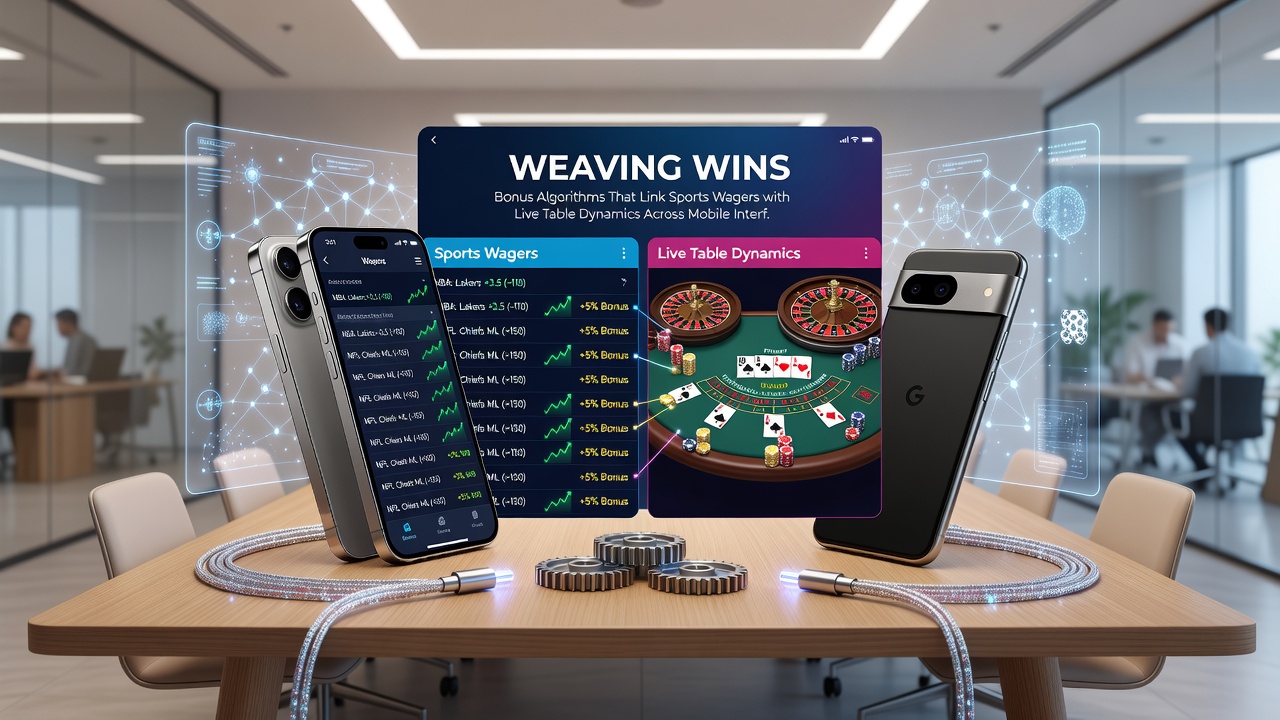
Platforms incorporate geolocation checks within the algorithms to comply with regional rules, and they adjust bonus linkages accordingly without interrupting the flow between sports and tables. Those who monitor these developments point to examples where cricket match outcomes directly influence blackjack insurance offers in apps serving multiple territories.
Integration Patterns Observed in July 2026 Deployments
July 2026 marked a period when several mobile platforms expanded their algorithmic linkages to include live streaming overlays, allowing users to monitor sports events while participating in synchronized table rounds. These updates featured refined reward scaling that ties cumulative sports stakes to escalating table game limits, and operators reported measurable increases in session lengths following the changes. External data from the American Gaming Association supports observations that such integrations align with broader trends in digital gaming infrastructure.
Case studies from operators in Australia reveal that algorithms linking rugby wagers to live poker tables achieved higher retention when they included dynamic difficulty adjustments based on player history. The systems avoid static bonuses by recalibrating in response to real-time table occupancy and sports market volatility.
Technical Components Supporting Seamless Transitions
Backend architectures for these bonus systems utilize event-driven programming that listens for completions in sports markets and instantly maps them to table game parameters, while front-end components handle the visual merging of interfaces. Security protocols embedded in the algorithms encrypt transaction data across both domains, and testing protocols ensure that mobile devices receive consistent experiences regardless of operating system variations. Industry organizations such as the Canadian Gaming Association have compiled summaries showing steady growth in these hybrid features since early 2025.
Additional layers include user preference engines that refine linkage suggestions over time, and these engines draw from aggregated play data without exposing individual details. Observers note that the result produces tighter connections between seemingly separate gaming formats on the same handheld device.
Conclusion
Bonus algorithms continue to evolve as connectors between sports wagers and live table dynamics on mobile platforms, and they deliver measurable operational efficiencies through coordinated data flows. Evidence from multiple regions demonstrates their role in shaping integrated gaming environments that respond to user patterns in real time. Continued refinement of these systems points toward further synchronization capabilities across additional game types and device formats in the periods ahead.